

RE:View – Aliens (1986)

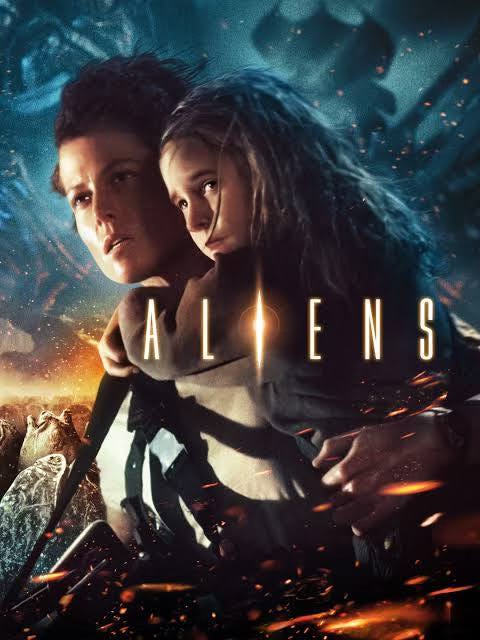
Aliens is my favorite Eighties blast-flick, even nudging out Predator. For whatever reason, this is the one that speaks to me.
What James Cameron got right was—basically—everything. It was massively influential in 1980s sci-fi pop culture, creating the aesthetic blueprint for the space marine archetype that countless creators have either imitated or reacted against. The Colonial Marines landed with such cultural force they were practically the Starfleet of grunt fiction.
And yet Aliens also set up Alien 3, a film that would hold the title of “most hated sequel of all time” for the next thirty years.
Also—Aliens couldn’t be made today.
And that tells you everything you need to know about its quality.
The Art of the Sequel
What’s funny is that Aliens actually works as a sequel. It feels like the next chapter in an unfolding story. That’s remarkable, considering how little it resembles the original.
Ridley Scott’s Alien (1979) was pure horror: a haunted house story set in space. The crew of the Nostromo weren’t star heroes—they were blue-collar truckers stuck on a flying refinery with it. The genius of Alien was how grounded it felt. Before Star Wars, cinematic sci-fi futures were clean, sterile, and white—like 2001: A Space Odyssey. But the Nostromo was grubby, industrial, and familiar. When the horror came, the audience felt like they were right there in the breakroom.
And it was horror. The power imbalance between the Xenomorph and the crew was absolute. They were doomed. The only question was how soon the monster would get them.
That’s the essence of horror.
But Aliens isn’t horror. It’s something trickier: military horror.
The Military Part
For military horror to work, the troops have to smell right. They need to feel like products of a real martial culture. That’s where most filmmakers fail—they rely on clichés from other war movies, without the lived-in detail or respect needed to give their characters any depth. The end result is often a biker gang in camo.
And when these movies fail, nine times out of ten, you’ll spot a Gamma Male’s thinly veiled resentment of masculine men seeping through the cracks.
Now, I’ll admit Cameron got some military stuff wrong. The “make your own uniforms” angle is nonsense. That kind of improvised gear only happens in long-term combat when standard issue has worn to rags. These guys were supposedly fresh out of garrison—and they looked like ten bags of ass. No way in hell a Sergeant like Apone would tolerate his platoon looking like that.
But all that said?
As a career Marine, I can tell you: they still smelled right.
The Colonial Marines felt like a line unit. Cameron nailed the hardest part of military horror: the military.
The Horror Part
The second challenge is harder: you can’t just make the Marines another Crew of the Nostromo. A military unit brings discipline, training, firepower, and teamwork. If you pit that against a single monster, the Thing in the Dark gets its teeth kicked in.
To finesse this, Cameron handicaps the Marines. He limits their resources—most of their supplies get blown, and their ability to call the Sulaco is destroyed. They can fight, but they can’t resupply. Eventually, they’ll run out of bullets and die.
Cameron also creates a leadership vacuum.
A newly minted officer paired with a veteran platoon sergeant is standard fare in the U.S. military. Ideally, it’s a parent dynamic: the LT is the young, uncertain dad; the Sergeant is the tough-love mom who insists the dad is in charge (even if everyone knows who really runs the house).
Now picture that family dynamic if Mom gets eaten by a Grue.
When Apone dies and Lt. Gorman is wounded, command structure collapses—and Ripley steps up. This should have been Hicks’s moment, but American tradition respects civilian authority. Ripley leading the survivors works because it feels culturally true.
Ripley: The Hero They Can’t Write Today
And here’s where we come to the part that makes Aliens impossible today.
Modern feminism could never tolerate the actual Ellen Ripley.
In today’s version, Ripley would be in charge from the start. She’d be fearless, flawless, endlessly right, and adored by everyone for being so strong and beautiful and fierce. The kind of character who lectures Marines and gets standing ovations for it.
But that’s not Ripley.
She’s terrified. She never wanted to leave Earth again. The only reason she agrees to the mission is to get her license back. Until the ambush, she’s reactive. Hesitant. Human.
What transforms her is Newt.
Her maternal relationship with Newt is the emotional core of the film—and modern writers hate it. To them, motherhood as motivation is regressive. But Ripley’s love for Newt makes the film. When Newt is captured, Ripley doesn’t become a superhero—she becomes a mother. She goes full mama bear and storms Hell itself to get her cub back.
The final showdown between human mother and alien mother is a perfect climax.
It’s earned. It’s emotional. It’s legendary.
Does It Hold Up?
Now we reach the core question of a RE:View:
Does it hold up?
Without question. Without qualification. Aliens still absolutely holds up.
When the movie ended, we all wanted more.
We should’ve been careful what we wished for.
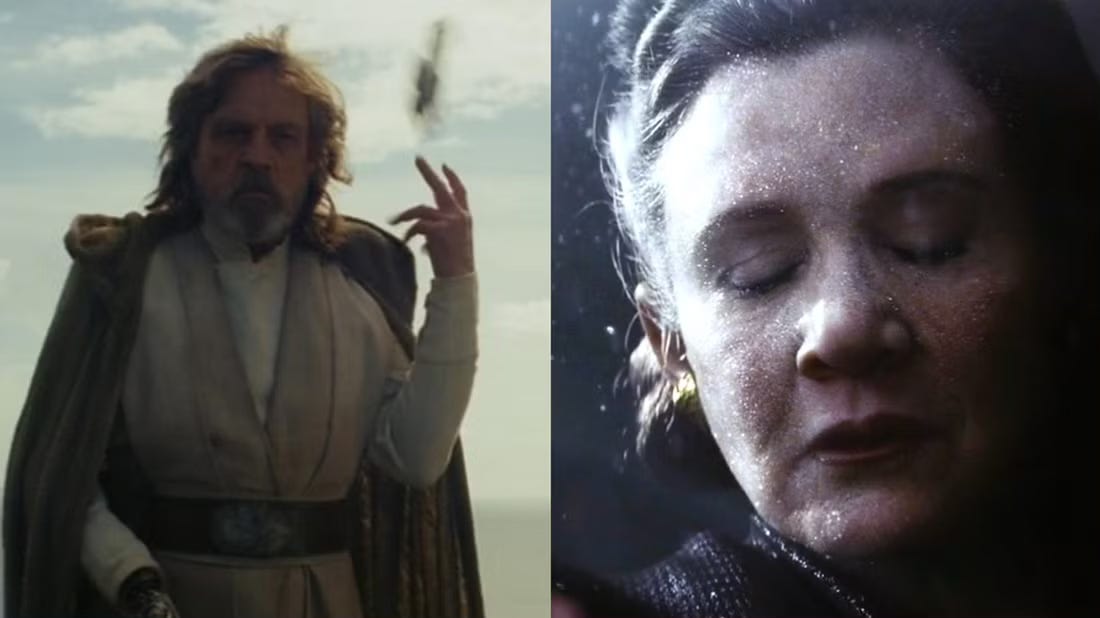
Alien 3 undid the ending of Aliens—during the opening credits.* I didn’t know it was possible to hate a movie that quickly. I wouldn’t feel that same white-hot rage again until The Last Jedi.
“This thing you love? It’s ours. We can take it away from you and throw it in a sewer. Because we own it.”
Aliens should have started a franchise. But the reasons people loved it were missed entirely by every film that followed. It remains a one-off.
At least in the movies. Its spirit lives on in books, comics, and games.
But its future? I can’t say it looks bright.
Because Aliens now belongs to Disney.
Discuss in the Comments Below
*Newt lived and became an officer in the Colonial Marines. My head-canon is not moving off this.
Ugh, DISNEY bought the IP? Crap. I hope they flame and burn even faster than one would expect.
Alien and Aliens are my favorite movies of the time period. I personally prefer the first, but the second is still incredibly enjoyable. Just from a set design angle, the movies are above any standard one can set - it's why they hold up. I just wish that they did sets, lights, and drama like the old movies did. All the CG stuff just doesn't look the same or hold up - yet real sets out perform, can be gritty or pristine, and catch the lighting design in ways that you couldn't get CG to do in a realistic manner.
Three cheers for Alien and Aliens - bringing Xenomorphs and Space Marines to life.
I saw the directors cut and it was fantasticker. The set shot of the vibrant alive settlement sets up the gray, dead, lifeless one they show later. Very effective.